Caloric Density of Common UK Alcoholic Beverages
Detailed profiles of energy and unit content for popular British alcoholic drinks
Understanding UK Alcohol Units
In the United Kingdom, alcohol content is measured in units. One unit represents 10 milliliters (8 grams) of pure ethanol. This standardized measure allows for consistent communication about alcohol consumption across beverages of varying alcohol by volume (ABV) percentages.
Caloric Content of Alcoholic Drinks
The caloric content of an alcoholic beverage derives from two sources: the ethanol itself (7 kcal per gram) and any carbohydrates or other nutrients present. This means that the caloric content is not solely determined by alcohol content; the type of beverage also influences total energy.
Beer and Lager
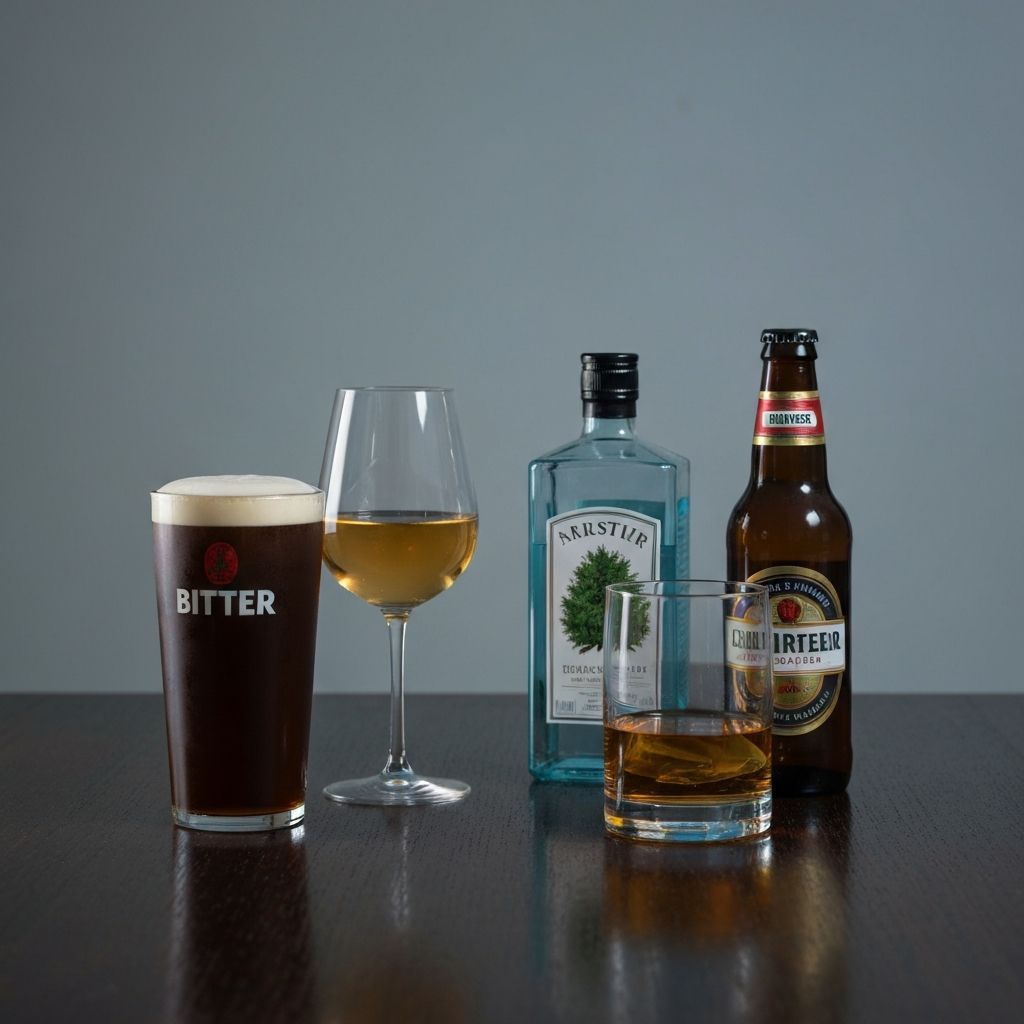
Pint of Bitter (4.5% ABV): Approximately 180–210 calories, 2.4 units. The caloric content comes from both ethanol and carbohydrates from malted grains. Lower alcohol beers generally contain fewer calories; higher alcohol craft beers may exceed 250 calories per pint.
Pint of Lager (4.2% ABV): Approximately 150–180 calories, 2.0 units. Lagers typically contain fewer residual carbohydrates than ales, resulting in slightly lower caloric content for equivalent volumes at similar ABV.
Wine
Glass of Red Wine (150 ml, 13% ABV): Approximately 120–135 calories, 1.95 units. Red wine derives its calories primarily from ethanol, with minimal residual sugar in dry wines.
Glass of White Wine (150 ml, 12% ABV): Approximately 115–130 calories, 1.8 units. White wines vary considerably in residual sugar; sweeter varieties contain additional calories from carbohydrates.
Glass of Rosé (150 ml, 12% ABV): Approximately 120–135 calories, 1.8 units. Similar to white wine, with caloric content influenced by residual sugar content.
Spirits and Mixed Drinks
Shot of Whisky (25 ml, 40% ABV): Approximately 55–65 calories, 1.0 unit. Spirits contain minimal non-alcoholic calories; variation depends on proof and any additives.
Shot of Vodka (25 ml, 40% ABV): Approximately 50–60 calories, 1.0 unit. Like whisky, caloric content is almost entirely from ethanol.
Gin & Tonic (100 ml gin at 40% ABV + 100 ml mixer): Approximately 140–180 calories total (depending on mixer), 3.2 units. The mixer choice significantly affects total caloric content. Tonic water adds 40–50 calories; diet mixers add minimal calories.
Impact of Mixers
The choice of mixer substantially influences the total energy content of a drink. Sugary soft drinks add 50–100+ calories per serving. Fruit juices add 40–80 calories. In contrast, diet or zero-calorie mixers add minimal energy while maintaining similar liquid volume.
Context and Consumption
Understanding the caloric content of beverages provides contextual information for energy balance. A single pint of beer or glass of wine represents a meaningful addition to daily caloric intake that many individuals may not fully account for in their energy budget. Repeated consumption across multiple occasions throughout a week or month represents a substantial energy contribution.
Educational content only. No promises of outcomes.
Related Articles
Ethanol Oxidation Priority in Human Metabolism
Alcohol and Suppression of Fat Oxidation: Acute Effects
Alcohol Consumption Patterns and Body Weight Associations
All Research Articles