Endocrine Responses to Alcohol Consumption
Understanding hormonal changes and their implications for energy metabolism
Leptin Suppression
One of the most consistently observed hormonal changes following alcohol consumption is the suppression of leptin. Leptin is produced by adipose tissue and serves as a signal of energy sufficiency to the hypothalamus, the brain region controlling appetite and energy expenditure.
When leptin levels fall—as they do with alcohol consumption—the brain receives a signal of energy scarcity, even if adequate energy stores exist. This triggers compensatory responses including increased appetite and reduced energy expenditure. The magnitude of leptin suppression correlates with alcohol dose, with greater suppression occurring at higher consumption levels.
Cortisol Elevation
Cortisol, the primary glucocorticoid hormone, often increases following alcohol consumption. Cortisol regulates multiple aspects of metabolism, including glucose regulation, inflammatory response, and stress adaptation. Chronically elevated cortisol from habitual alcohol use has been associated with preferential energy storage in visceral adipose tissue and metabolic dysregulation.
However, cortisol responses to acute alcohol are complex and can vary based on dose, timing relative to sleep, and individual baseline stress status.
Insulin and Glucose Regulation
Alcohol consumption affects insulin secretion and glucose homeostasis. Acute alcohol can suppress hepatic glucose production while simultaneously stimulating insulin secretion, leading to a transient lowering of blood glucose. This can contribute to increased hunger perception and food seeking.
The effects depend heavily on nutritional context, with effects differing markedly between alcohol consumption with food versus on an empty stomach.
Testosterone and Sexual Hormones
Acute and chronic alcohol consumption can influence testosterone and other reproductive hormones. Research shows that acute moderate alcohol consumption may transiently increase testosterone in some contexts, while chronic heavy consumption typically suppresses testosterone levels and can affect other reproductive hormones.
These effects are dose-dependent and vary among individuals based on genetic, nutritional, and lifestyle factors.
Growth Hormone Response
Alcohol can affect growth hormone secretion, particularly during sleep. Growth hormone plays roles in protein metabolism, lipolysis, and metabolic regulation. Chronic alcohol consumption that disrupts sleep architecture can impair growth hormone secretion and contribute to metabolic dysregulation.
Thyroid Function
While acute alcohol may not substantially alter thyroid hormone levels, chronic consumption can impact thyroid function, particularly in individuals with marginal iodine status or existing thyroid conditions. Thyroid hormones are critical regulators of metabolic rate, so alterations can influence overall energy expenditure.
Integration and Metabolic Implications
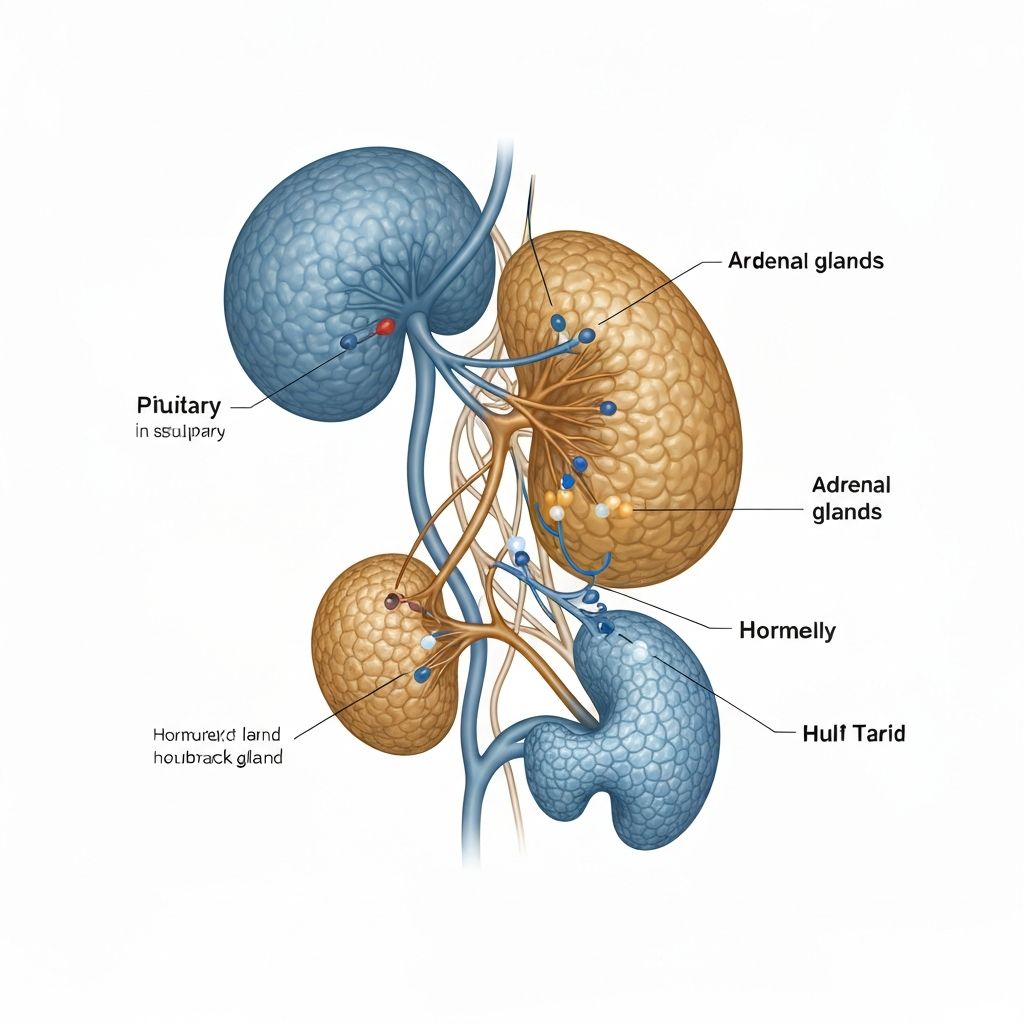
These hormonal changes do not occur in isolation. Rather, they represent an integrated endocrine response to ethanol as a stressor and metabolic substrate. The combined effect of reduced leptin, elevated cortisol, altered glucose regulation, and other hormonal shifts creates a physiological context that promotes energy storage and reduces the behavioral and metabolic barriers to energy surplus.
Educational content only. No promises of outcomes.
Related Articles
Ethanol Oxidation Priority in Human Metabolism
Alcohol and Suppression of Fat Oxidation: Acute Effects
Alcohol-Induced Appetite Disinhibition
All Research Articles